GLASS PAINT OVERSPRAY REMOVAL: NORCROSS, GA
Removing Paint From Glass Takes Care
Removing Paint Overspray from Glass
Paint overspray on glass may not be a common issue unless the vehicle is parked near painting projects or construction zones.
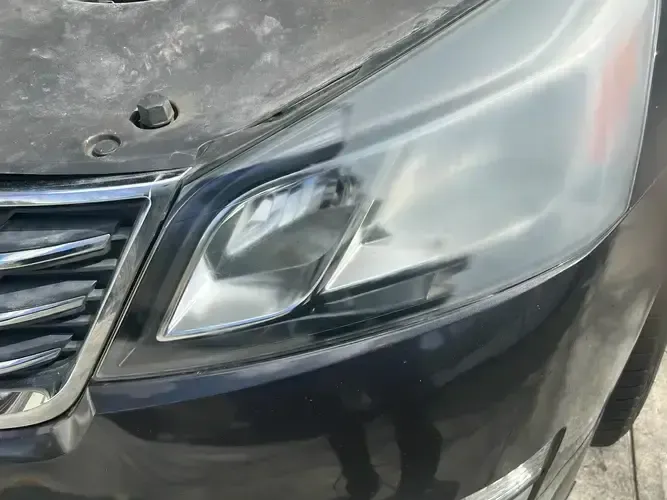
At first glance, paint overspray can be deceptive. You might think it’s just dust or dirt. After rubbing the glass, you’ll notice the “dust” does not move and is stuck onto the glass. It has a gritty feel and sound. Unlike dirt, overspray doesn’t simply wipe off.
How to Identify Paint Overspray
Overspray is often easiest to spot on glass. Visually, it may look like a fine layer of dust. When you try to clean it, it won’t come off. A simple test is to lightly rub your hand across the surface. If it feels rough or sounds scratchy, that’s likely overspray. Clean glass, by comparison, feels smooth and silent.
On light colored vehicles, especially white ones, overspray can be difficult to see on the painted surfaces. However you can still feel it. This makes touch an important tool along with sight when inspecting the vehicle’s surface.
### Tools and Methods for Removal
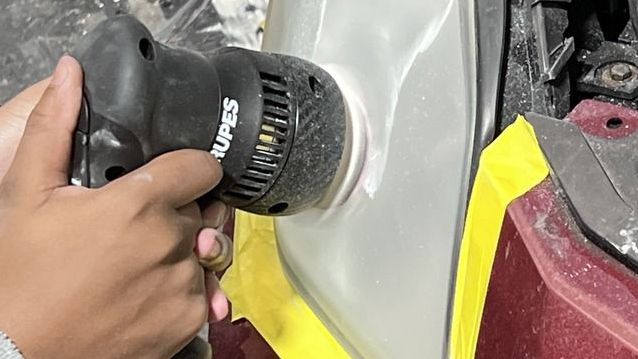
Removing paint overspray is usually a process, not a single-step fix. Depending on the overspray thickness, you may need a combination of tools:
* **Clay lubricant** – Keeps the surface wet and reduces the risk of scratching.
* Graffiti Remover - Can work fast for fresh overspray removal.
* **Clay sponge or clay bar** – Great for light to moderate overspray.
* **Razor blade** – Effective for thicker overspray on glass when used correctly.
* **Chemical removers** – Optional, depending on severity and preference. Graffiti Remover - Can work fast for fresh overspray removal.
Step-by-Step Process
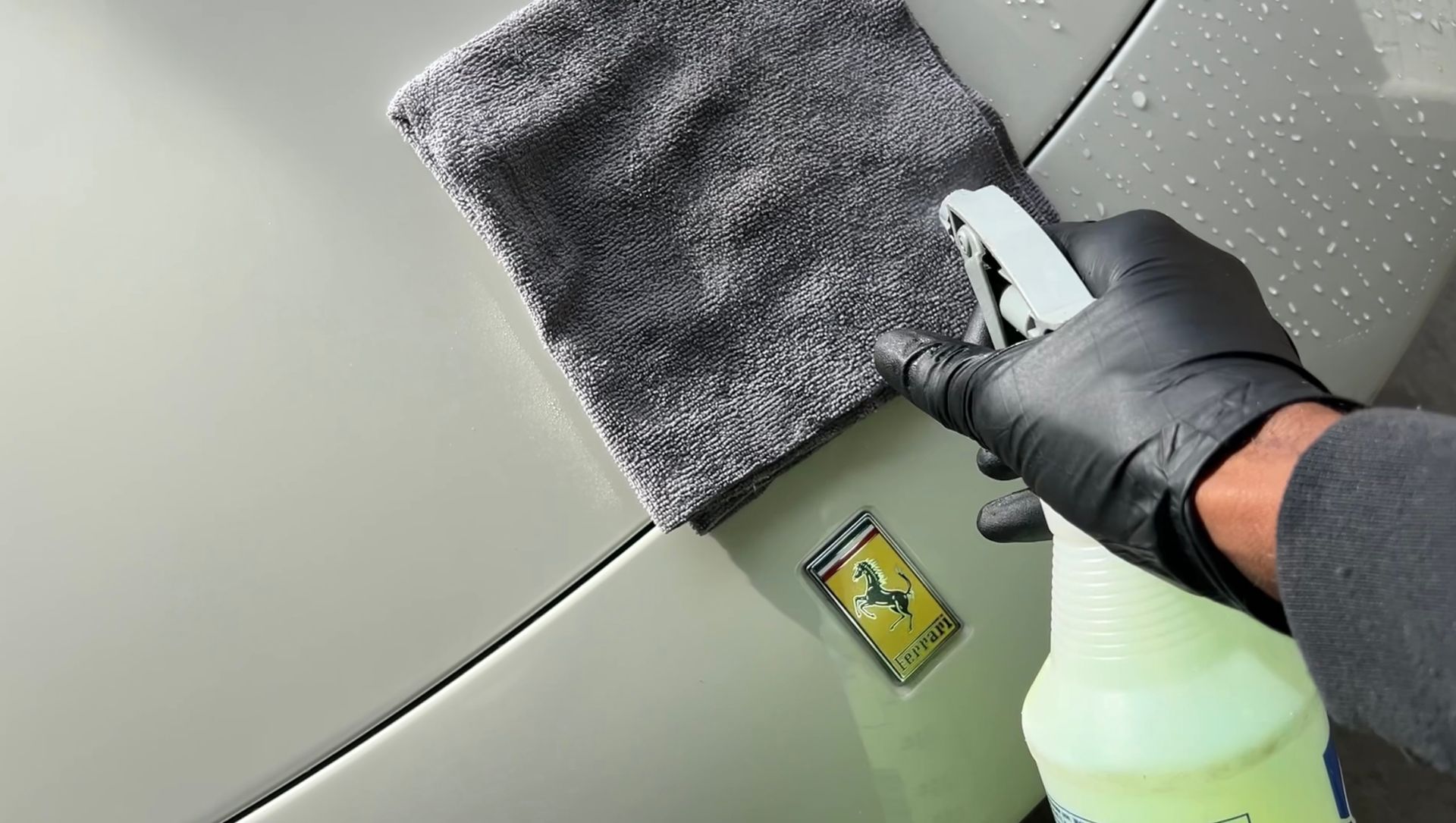
1. Chemical paint remover - a graffiti remover may be very effective on fresh overspray. test in a small area. Do Not use on hot glass or direct sunlight.
Put a small amount on a towel. Place towel onto overspray for 30-60 seconds or as directed by manufacturer. Wipe away residue with a second clean damp towel. Repeat as needed. If you notice this step has no effect, move to clay bar/sponge/disc.
2. Clay Bar
Apply a generous amount of clay lubricant to the glass. Using a clay bar or sponge, gently work the surface. You should notice the overspray begin to lighten compared to untreated areas. For lighter contamination, this step alone may be enough. Inspect surface as you work. If the most aggressive clay has no affect or is to slow, move to the Razor.
3. Razor Blade
For heavy overspray that won’t come off with clay, a razor blade can be very effective. Apply lubricant, lay the blade almost flat against the glass, and work in one direction only. This helps cut through the overspray safely. Avoid scraping back and forth, as pulling back on a dry surface can scratch the glass.
Note: **Keep the Surface Wet with Lubricant m. Especially if you’re working in the sun, keeping the glass wet is critical. The clay will not slide without it. The Dry surfaces increase the risk of scratching with a razor.
Work Methodically
Overspray removal takes patience. You may need to go over the same area multiple times, gradually reducing the contamination until the glass feels smooth again.
Knowing When You’re Done
Inspect glass with your eyes, hands, and ears.
Rub your hand across the glass:
* If it feels rough or makes noise, there’s still overspray present.
* If it feels smooth and silent, the glass is clean.
* Clean with glass cleaner to ensure paint particles are gone.
Final Thoughts
Removing paint overspray from glass isn’t difficult. However it requires the right tools and a careful approach. Starting with chemical remover, next to clay and moving to more aggressive methods only when necessary. This will help protect the glass while achieving clean, smooth results. With a little patience and the right technique, light to heavy overspray can be removed successfully.